

(ginger health benefits) Ginger is a familiar ingredient in kitchens around the world. It is added to meals and drinks, and ginger supplements are promoted for several health concerns. But what do studies actually say about ginger health benefits?
Researchers have studied ginger for nausea, menstrual cramps and osteoarthritis symptoms. The evidence varies depending on the condition, and results from supplement studies do not always apply to the smaller amounts of ginger used in food. Here are five facts to help separate research findings from bigger health claims. National Center for Complementary and Integrative Health (NCCIH)
Table of Contents
Fresh Ginger, Ginger Tea, and Supplements: What’s the Difference?
Fresh ginger is commonly used to flavor meals and drinks. Ginger tea is another popular way to enjoy its taste. Ginger supplements, however, are concentrated products and may contain different amounts or forms of ginger. These options should not automatically be treated as equivalent.
This difference matters when reading health research. Many studies on ginger and nausea tested dietary supplements rather than the everyday amounts people add to food or tea. So, a study about a supplement does not prove that a cup of ginger tea will have the same effect. The results may also vary depending on the product, the amount used and the health concern being studied. NCCIH: Ginger. (ginger health benefits)
If you enjoy ginger, you can use it as a flavoring in soups, sauces, vegetables or drinks. You do not need to use it as a treatment to include it in your diet. If you are thinking about taking a supplement for a health concern, read the label and discuss it with a qualified healthcare professional—especially if you take medicine, are pregnant or have an ongoing health condition. (ginger health benefits)
Ginger can cause side effects such as heartburn, diarrhea or abdominal discomfort in some people. Supplements can also interact with medicines. If you notice an unwanted reaction after using a ginger product, stop taking the supplement and contact a healthcare professional for advice.
The simple takeaway is to enjoy ginger as food if you like it, but keep health claims about supplements in perspective. Research findings apply to the specific products and situations studied; they do not establish ginger as a cure or replacement for medical care.
1. Ginger Health Benefits for Nausea Depend on the Cause
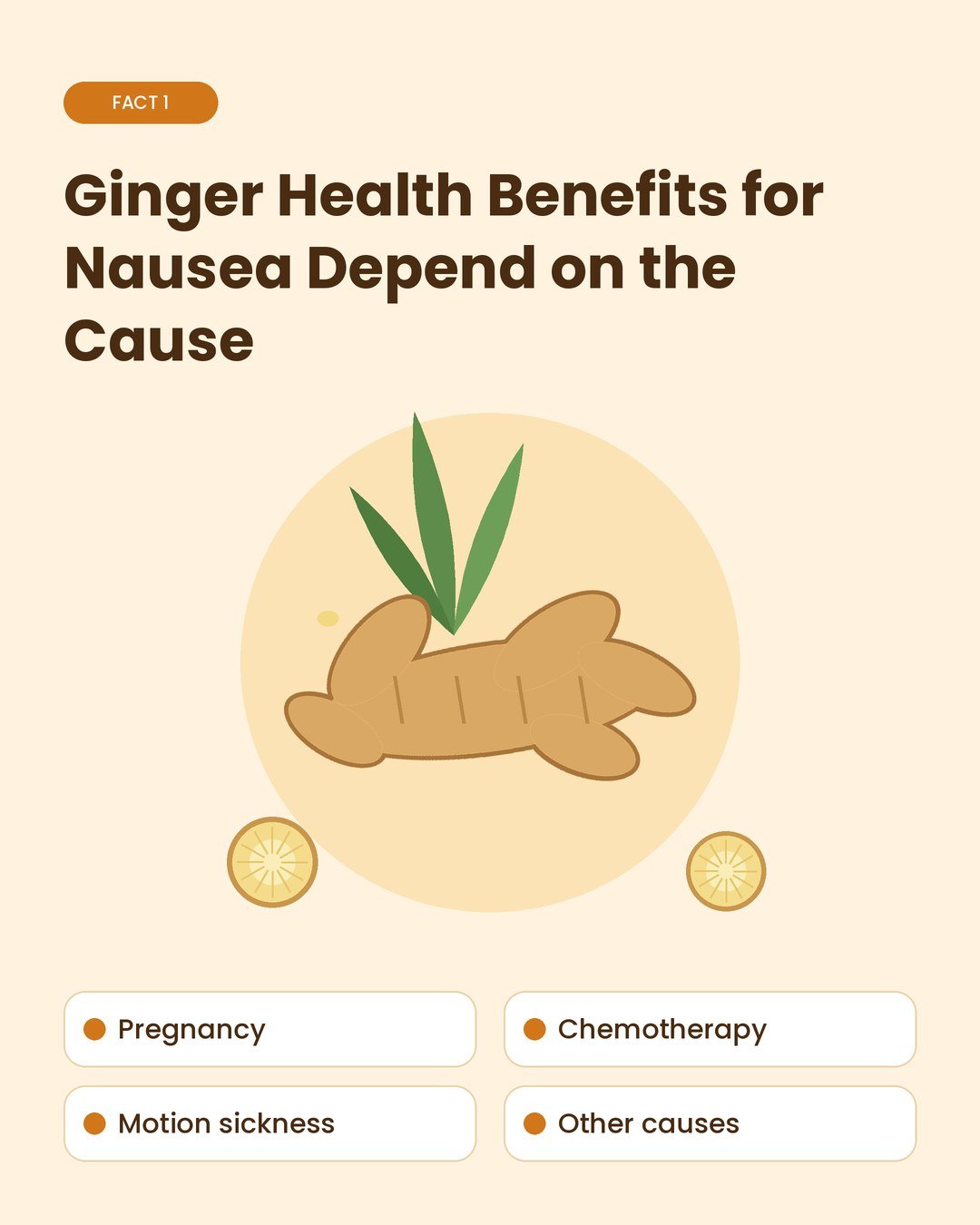
Ginger has been studied for different types of nausea. Research suggests it may help with nausea and vomiting associated with pregnancy. However, studies on motion sickness generally have not shown the same benefit. (ginger health benefits)
Many studies tested ginger supplements rather than ordinary amounts used in food or tea. Anyone who is pregnant and considering supplements should discuss them with a healthcare professional first. NCCIH: Ginger (ginger health benefits)
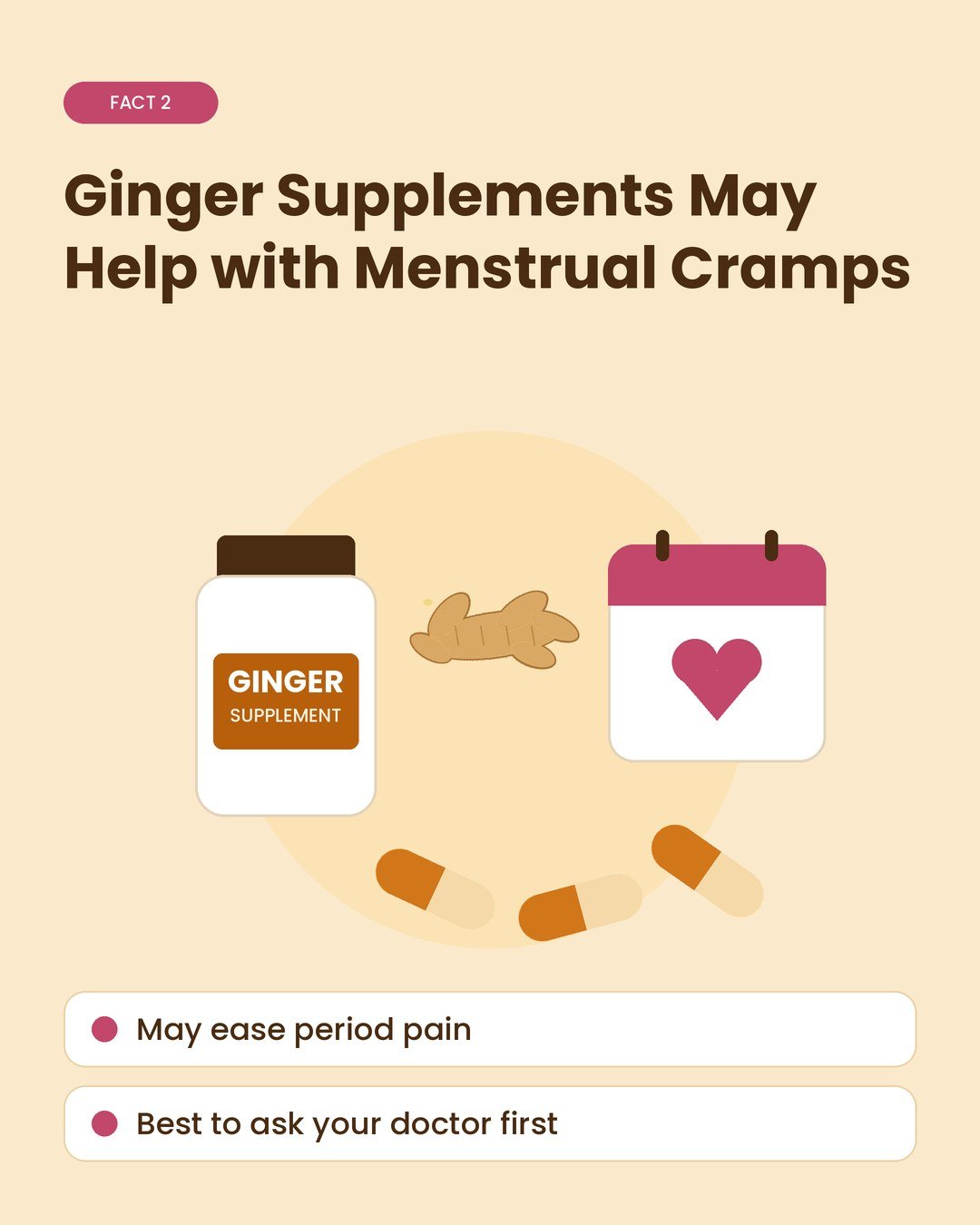
2. Ginger Supplements May Help with Menstrual Cramps
Some research suggests ginger supplements may reduce the severity of menstrual cramps. This does not mean ginger will work for everyone or replace medical care for severe or unusual pain.
If cramps regularly interfere with daily life, or have recently become much worse, speak with a healthcare professional rather than relying only on a home remedy. NCCIH: Ginger
3. Ginger May Have a Limited Role in Osteoarthritis Symptoms
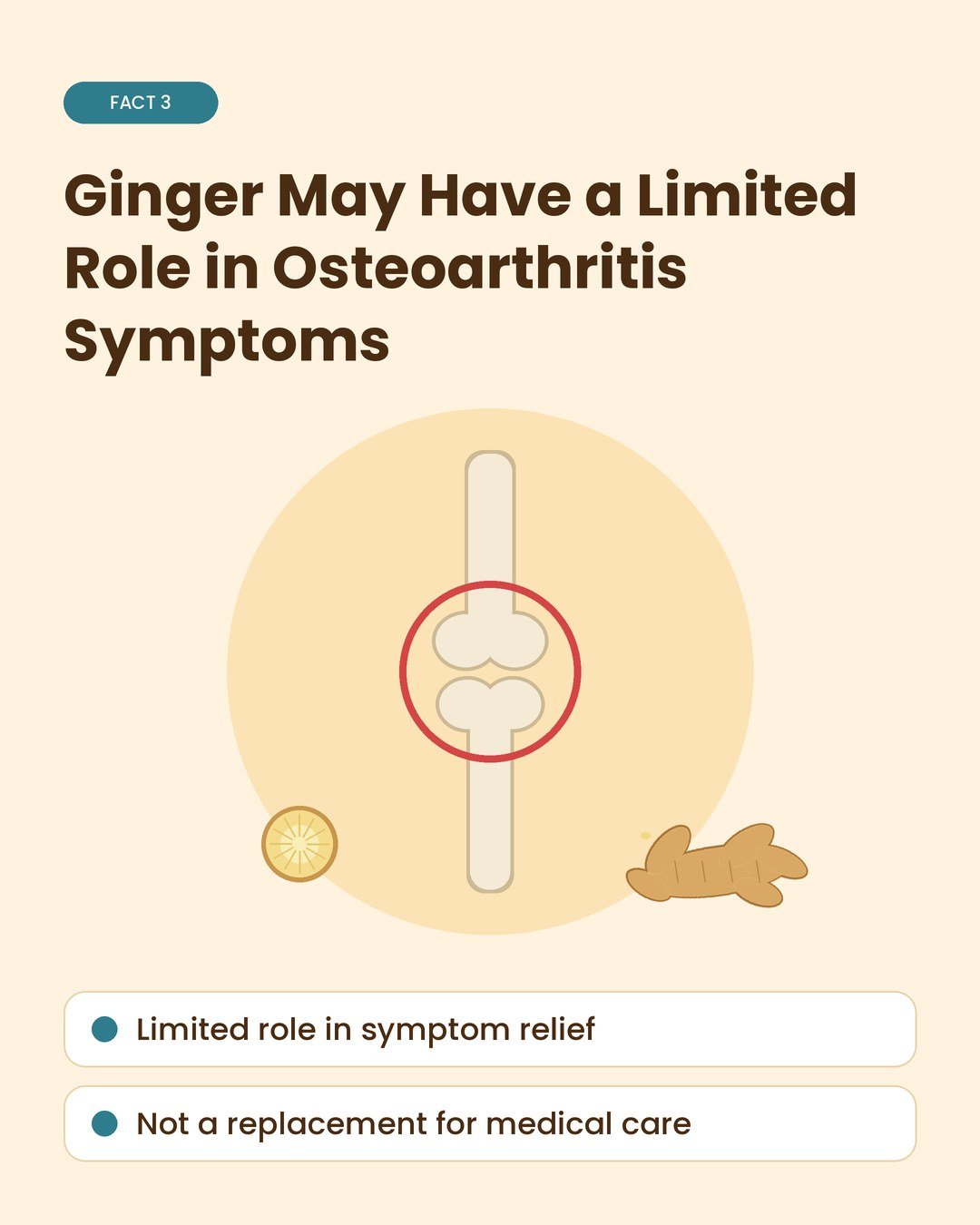
Ginger supplements have been studied for knee osteoarthritis. NCCIH says they might help with symptoms, but much of the research has been of poor quality. Ginger applied to the skin has not been shown to help knee osteoarthritis symptoms.
Ginger should not be described as a cure or a replacement for a clinician’s treatment plan. If you are considering a supplement for joint pain, ask a healthcare professional whether it is suitable for you. NCCIH: Ginger
4. Ginger Is Not Proven to Help Every Type of Nausea
Ginger is often suggested for travel sickness, but most studies have not shown that it helps with motion sickness. Evidence is also uncertain for nausea related to chemotherapy or surgery.
The cause of nausea matters. People receiving medical treatment should ask their care team before adding supplements. NCCIH: Ginger
5. Ginger Supplements Can Have Side Effects and Interactions
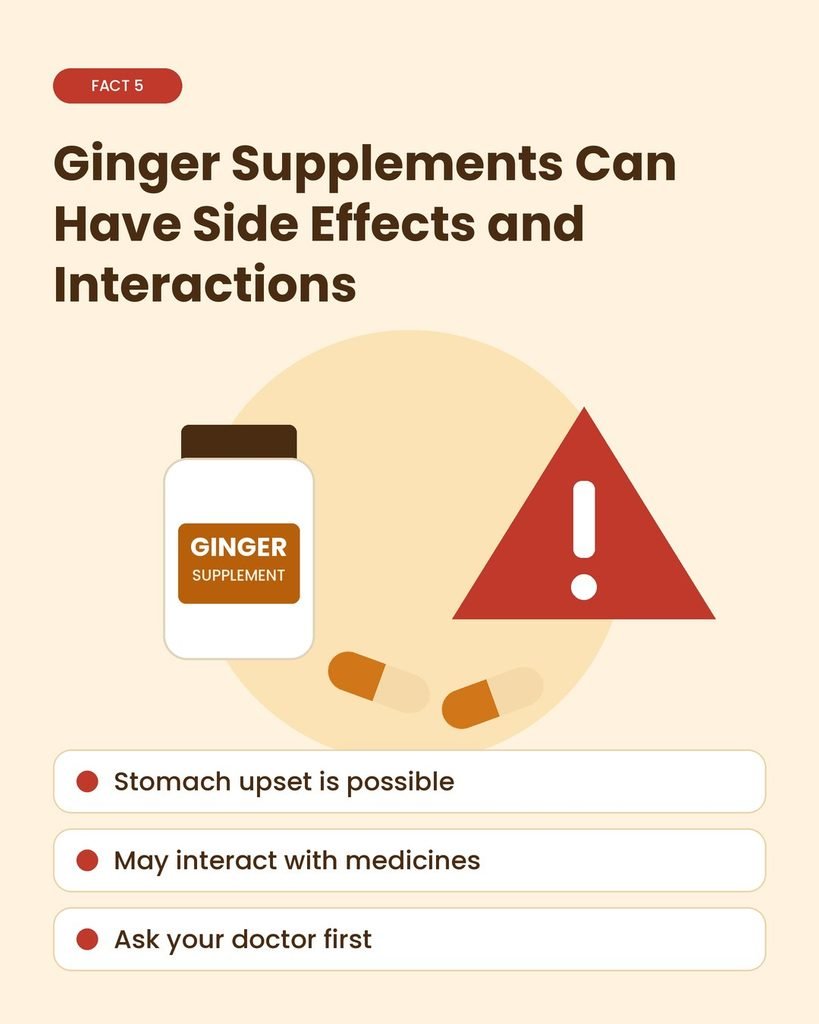
Ginger taken by mouth has been used safely in many studies, but it can cause abdominal discomfort, heartburn, diarrhea or irritation of the mouth and throat. Ginger products may also interact with medicines.
If you take prescription or over-the-counter medicine, have a health condition, or are pregnant, ask a healthcare professional before starting a ginger supplement. Ginger used in a meal is not the same as taking a concentrated supplement. NCCIH: Ginger safety
Conclusion
Ginger is a useful ingredient, and research suggests that supplements may help with some forms of nausea and menstrual cramps. Possible benefits for knee osteoarthritis remain uncertain because much of the research is low quality. Ginger has not been shown to help every type of nausea, and supplements can cause side effects or interact with medicines.
Enjoy ginger as food if you like its flavor, but treat supplements as health products: check the evidence and ask a healthcare professional if you have a medical condition, take medication or are pregnant.
-> Frequently Asked Questions
What ginger health benefits have researchers studied?
Researchers have studied ginger for nausea, menstrual cramps and symptoms of knee osteoarthritis. The amount and quality of evidence differ for each use.
Can ginger help with pregnancy-related nausea?
Research suggests ginger may help with nausea and vomiting associated with pregnancy. Anyone who is pregnant should discuss supplements with a healthcare professional before using them.
Does ginger help with motion sickness?
Most studies have not shown that ginger helps with motion sickness, according to NCCIH.
Can ginger supplements cause side effects?
Yes. Possible side effects include abdominal discomfort, heartburn, diarrhea and irritation of the mouth or throat. Ginger products may also interact with medicines.
Is ginger a replacement for medical treatment?
No. Ginger should not replace prescribed treatment or professional medical advice.
Disclaimer: This article is for informational and educational purposes only. It is not a substitute for professional medical advice, diagnosis, or treatment. Speak with a qualified healthcare professional before using ginger supplements, especially if you take medication, have a health condition, or are pregnant.
More Related Articles : https://sadathub.com/health-wellness/
Leave a Reply