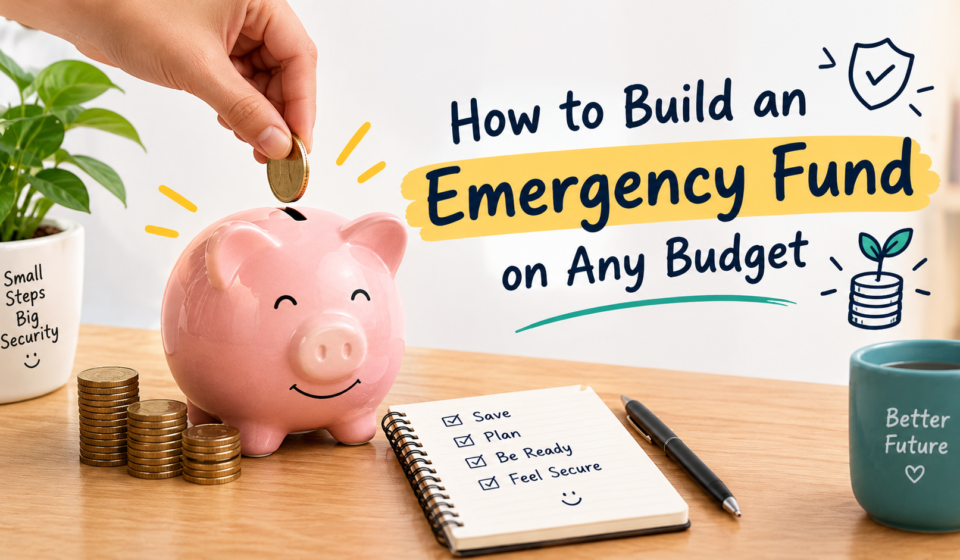

An unexpected bill can disrupt even a careful budget. A small emergency fund gives you a little room to respond without immediately relying on high-cost borrowing. You do not need to save a perfect amount before you begin: choose a realistic first target, set up a repeatable habit, and build from there.
Quick start: Pick a small starter goal, open a separate accessible savings space, and arrange an automatic transfer you can keep up with. Review the amount after a month.
What’s an emergency fund, anyway?
An emergency fund is money set aside for an unplanned, necessary expense or a sudden drop in income. Examples might include an urgent home repair, a medical bill, or essential costs during a gap between jobs. The U.S. Consumer Financial Protection Bureau (CFPB) describes it as a cash reserve for unplanned expenses and financial emergencies.
It is different from savings for a planned purchase, such as a holiday or a new phone. Keeping the purpose clear can make it easier to decide when to use the fund and when to leave it untouched.
Set a first goal that feels achievable
Advice often mentions saving several months of essential expenses, but that can feel distant if you are starting from zero. Begin with a smaller milestone that would help with a common surprise in your circumstances. It could be a fixed amount you choose, or the cost of one likely repair, bill, or short period of essential expenses.
Then work toward a longer-term cushion. The UK’s MoneyHelper guide to emergency funds suggests aiming for enough to cover three months of essential outgoings as a rule of thumb. Treat that as one reference point, not a universal requirement: income stability, dependants, access to support, local costs, and debt all affect what is practical for you.
Work out what you can save
Look at a typical month and list the expenses you would still need to cover during a disruption: housing, basic food, utilities, transport, medication, and minimum debt payments. This gives you a useful picture of your essential costs. You do not need a complicated spreadsheet; a notebook or your bank’s spending summary may be enough to get started.
Choose a contribution that fits after essentials and priority bills. A small amount saved consistently can be more useful than an ambitious target that forces you to withdraw the money again. If your income changes from month to month, consider a modest baseline plus an extra contribution in stronger months.
Make saving automatic and easy to find
If your bank or credit union supports it, schedule a recurring transfer shortly after income arrives. You can also move occasional extra income, refunds, or cash gifts into the fund when your budget allows. The FDIC’s savings guidance recommends setting a realistic emergency-savings goal and working toward it.
Keep the money somewhere secure and reasonably accessible, while separate enough that you are less likely to spend it casually. Check fees, withdrawal rules, and local deposit-protection arrangements before choosing an account. Do not keep more cash at home than you can safely protect, and avoid investing money you may need quickly in assets that can fall in value.
Decide what counts as an emergency
A simple rule can help: use the fund for an unplanned expense that is necessary and cannot reasonably wait. An urgent repair that keeps your home safe may qualify; a planned upgrade usually does not. Your definition can reflect your household, but deciding in advance reduces pressure when a surprise happens.
When you withdraw money, note the reason and make a gentle refill plan once the immediate need has passed. The goal is not to avoid ever using the fund. It is to have a resource for the moments it was meant to cover.
Balance saving with high-cost debt
Saving and paying debt can compete for the same money. The right balance depends on interest rates, fees, minimum payments, and how vulnerable you would be to another unexpected bill. Missing essential payments or taking on expensive borrowing can make a difficult situation worse, so keep required payments current where possible.
Some people build a modest starter reserve while directing extra money toward high-interest debt; others need to prioritize urgent arrears or seek local debt advice first. Compare the cost of borrowing with the protection a small cash buffer would provide, and use a reputable nonprofit or government-backed adviser in your country if you need help weighing the options.
Adjust the plan when life changes
Review your target after a move, a change in income, a new dependent, or a large change in essential bills. If you need to pause contributions for a while, that does not erase the progress you have made. Restart with an amount that fits your current circumstances.
A simple plan you can start today
- Choose one starter goal that feels reachable.
- Estimate your essential monthly costs and pick a sustainable contribution.
- Set up a separate, secure savings place with suitable access and protections.
- Automate a transfer if your income and account allow it.
- Review the plan monthly and after major life changes.
Building an emergency fund is a gradual process, not a test of willpower. Start with what you can manage, protect the habit from unnecessary complexity, and let the cushion grow over time.
This article is general educational information, not individualized financial advice. Account protections, benefits, debt options, and financial services vary by country. Check the rules and resources where you live.
More international emergency-savings resources
For country-specific guidance, see the Financial Consumer Agency of Canada on setting up an emergency fund and Moneysmart Australia on saving for unexpected costs. The U.S. CFPB, UK MoneyHelper, and U.S. FDIC also offer practical information. Account rules and protections differ by country, so use the resource that applies where you live.
Suggestions for getting started
- Start with a small, specific goal that fits your circumstances.
- Choose an amount you can save regularly without missing essential bills.
- Compare account access, fees, and deposit protections in your country.
- Keep planned costs separate from genuine emergencies in your budget.
- Review the goal when your income, household, or essential expenses change.
Frequently asked questions
How much should I have in an emergency fund?
There is no single amount that fits everyone. Begin with a manageable milestone, then work toward a cushion based on your essential expenses, income stability, household needs, and local circumstances. Some official guides use several months of essential costs as a longer-term rule of thumb.
Can I start an emergency fund with a small amount?
Yes. A small amount saved regularly can build a useful buffer over time. Choose a contribution that does not put essential bills or priority payments at risk, and increase it when your budget allows.
Where should I keep my emergency savings?
Consider a secure account that is accessible when needed and separate from everyday spending. Compare fees, withdrawal conditions, and the deposit-protection rules where you live before choosing.
Should I save while paying off debt?
The balance depends on your interest rates, required payments, and risk of needing to borrow again. Keep essential payments current, consider a modest starter buffer, and seek reputable local debt advice if you are behind or facing high-cost borrowing.
Conclusion
An emergency fund does not have to appear all at once. Start with a realistic goal, save at a pace you can sustain, and keep the money for necessary surprises. Use trusted guidance from your country, review your plan as life changes, and let steady progress build more financial breathing room.