

Have you ever decided to change your life but given up after a few days? Maybe you wanted to exercise daily, read more books, save money, or learn a new skill. At first, you felt motivated, but after some time, the excitement disappeared.
This happens to many people. We often expect big results in a short time, and when we don’t see them, we lose interest.
But what if you didn’t need to make big changes to improve your life? What if getting just 1% better every day was enough to make a difference?
What Is the 1% Rule?
The 1% rule is a simple idea: instead of trying to change everything at once, focus on making small improvements regularly.
For example, you don’t need to spend two hours at the gym on your first day. You can start with a 10-minute walk. You don’t need to read an entire book in one sitting. Reading two or three pages every day is a good start.
These actions may seem too small to matter, but repeating them can help you build better habits over time.

1. Start Small and Stay Consistent

One common mistake is setting goals that are too difficult to maintain.
You might decide to wake up at 5 AM, exercise for an hour, eat healthy food, and study every day. It sounds like a great plan, but following it all at once can be challenging.
Instead, choose one small habit and make it part of your daily routine.
If you want to read more, start with five minutes a day. If you want to become more active, take a short walk after dinner.
The goal is not to do everything perfectly. It is to keep showing up.
2. Small Habits Can Improve Your Health
You don’t always need a strict routine to take better care of yourself.
Drinking water regularly, walking a little more, sleeping at a consistent time, and adding healthy foods to your meals are simple steps that can support your well-being.
You may not notice a major difference in a few days, but these habits can become easier as you repeat them.
Start with one change that fits your lifestyle instead of trying to follow someone else’s routine.

3. Improve Your Skills a Little Every Day

Learning something new can feel difficult when you look at how much there is to learn.
Imagine wanting to improve your English. You don’t need to memorize 100 words every day. Learning five useful words, practicing a few sentences, and listening to English for ten minutes can be a more manageable starting point.
The same approach works for computer skills, writing, graphic design, and many other areas.
Small learning sessions can help you make steady progress without feeling overwhelmed.
4. Make Better Financial Decisions
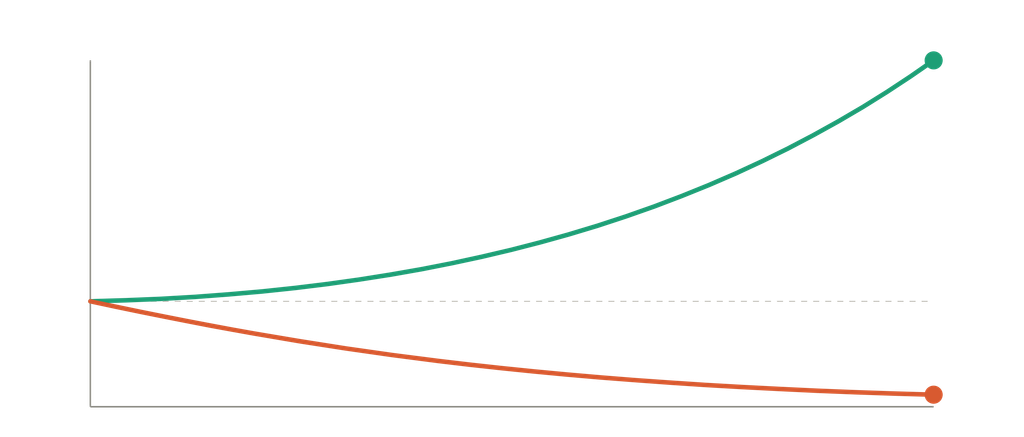
Improving your finances doesn’t always require a higher income. Sometimes, it starts with paying attention to small spending habits.
For example, you could reduce unnecessary online purchases, compare prices before buying something, or save a small amount whenever possible.
These steps may not make you rich overnight, but they can help you understand where your money goes and build better financial habits.
The important thing is to choose changes you can realistically maintain.
5. Don’t Let One Bad Day Stop You

Nobody follows a perfect routine every day. You might miss a workout, forget to read, or spend more money than planned.
That doesn’t mean you have failed.
The real problem begins when one missed day becomes a reason to stop completely. Instead of waiting for Monday or the beginning of a new month, simply start again the next day.
Progress doesn’t require perfection. It requires the willingness to continue.
6. Focus on Progress, Not Quick Results
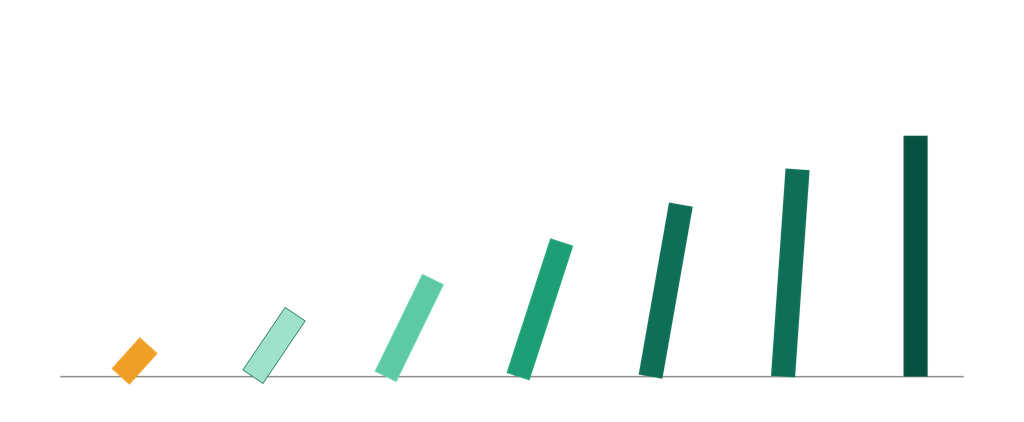
We live in a world where people often share their biggest achievements but rarely talk about the small steps behind them.
It is easy to compare your beginning with someone else’s success. However, meaningful improvement usually takes time, practice, and patience.
Rather than asking, “How quickly can I achieve this?” try asking, “What small thing can I do today to move forward?”
This simple change in thinking can make your goals feel more manageable.
How to Apply the 1% Rule in Your Daily Life
You can begin today with a few simple actions:
- Read two pages of a book.
- Learn one new English word.
- Walk for 10 minutes.
- Spend five minutes organizing your workspace.
- Avoid one unnecessary purchase.
- Put your phone away while completing an important task.
Choose just one or two actions at first. Once they become part of your routine, you can build on them.
Further Reading
Want to learn more about building better habits? Explore these useful resources:
- Atomic Habits by James Clear
- Focus on Microhabits — Harvard Business Review
- How to Build New Habits — James Clear
These resources offer practical ideas for making small improvements, building consistent routines, and working toward long-term goals.
Watch Video on Today’s Topic
Conclusion
The 1% rule reminds us that improvement doesn’t have to be dramatic to be meaningful. Small actions, repeated regularly, can help us develop useful habits and move closer to our goals.
You don’t have to change your entire life today. Choose one thing you want to improve and take a small step toward it.
Remember, you don’t need to be perfect every day. You just need to keep moving forward.
Frequently Asked Questions (FAQs)
1. What is the 1% rule?
The 1% rule is the idea of making small, regular improvements instead of trying to change everything at once.
2. How can the 1% rule improve your life?
It can help you build better habits, learn new skills, manage money, and make steady progress toward your goals.
3. Does the 1% rule really work?
It can be helpful because small actions are often easier to repeat. Results depend on your habits, effort, and consistency over time.
4. How can I start following the 1% rule?
Choose one simple goal and take a small daily step, such as reading for five minutes or walking for ten minutes.
5. How long does it take to see results from small habits?
There is no fixed timeline. Some changes may become noticeable within weeks, while others take months or longer. The key is to stay consistent.
6. What should I do if I miss a day?
Don’t give up or blame yourself. Start again the next day and focus on building a routine you can maintain.



Very Informative Content
Thanks..